
How Long Do Water Heaters Last? Signs It's Time to Replace Yours
Compare typical water heater lifespans, recognize seven warning signs, and learn when repair or replacement may make sense for your Oklahoma City home.
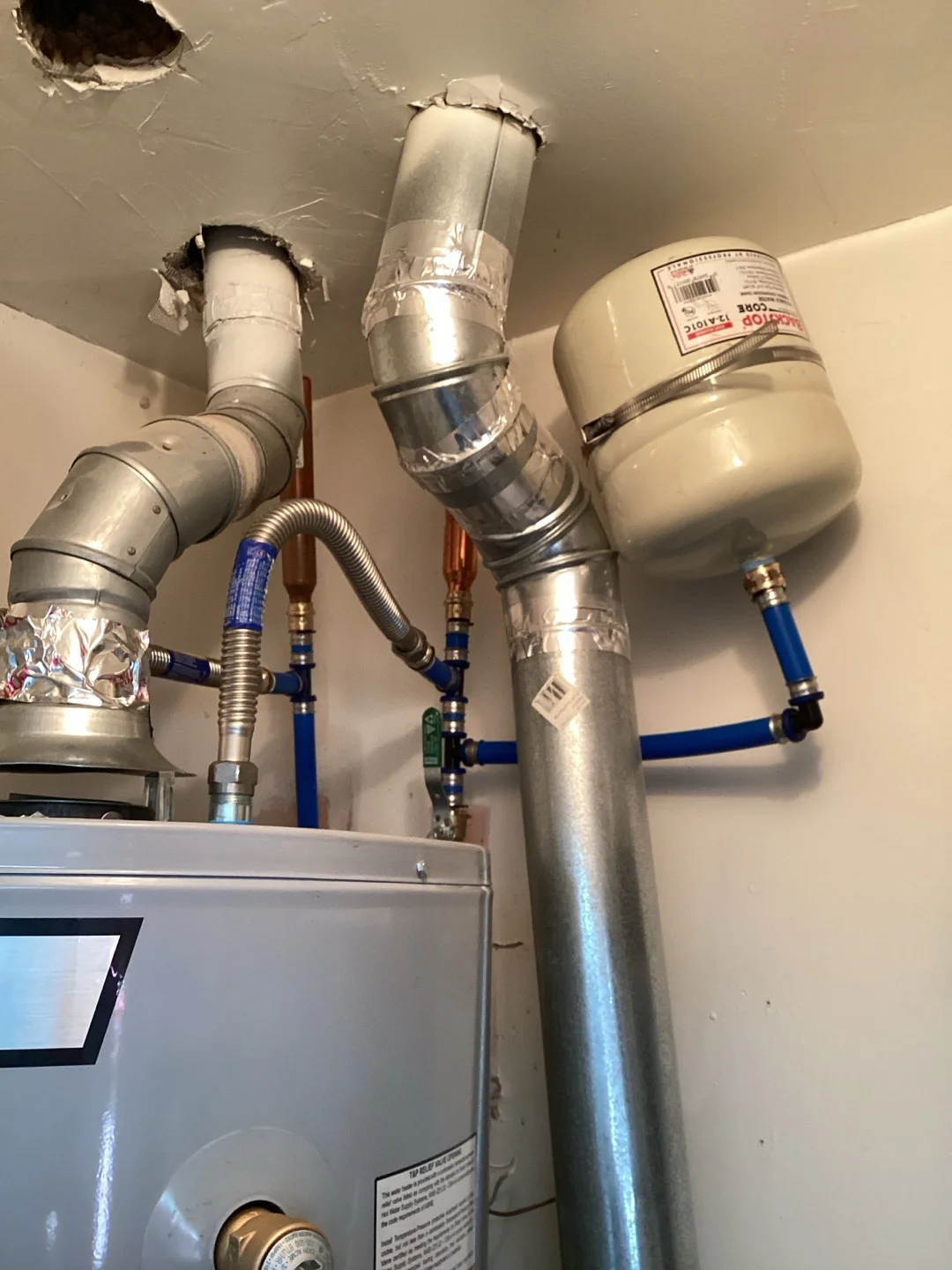
Most traditional tank water heaters last about 8–12 years, while many tankless models can last 15–20 years with appropriate care. These are useful planning ranges, not expiration dates. Some heaters develop problems sooner; others continue working beyond the typical range. Water quality, installation, maintenance, and daily demand all influence how long yours will last.
If your water heater is getting older, you don't necessarily need to replace it today. But knowing its age—and recognizing changes in its performance—can help you plan before an inconvenient loss of hot water or a damaging leak.
Key Takeaways
- Traditional storage-tank heaters commonly last 8–12 years; tankless systems may last 15–20 years.
- Age matters most when considered alongside leaks, corrosion, recurring breakdowns, and declining hot-water performance.
- A repairable component doesn't always justify replacing the whole heater, but a leaking tank generally does.
- Routine maintenance can help protect performance, though it cannot reverse an aging or corroded tank.
Average Water Heater Lifespan by Type
Different water-heating systems have different parts and operating demands, so their expected service lives are not identical.
| Water heater type | Common planning range | What influences lifespan |
|---|---|---|
| Traditional storage-tank (gas or electric) | About 8–12 years | Tank corrosion, sediment, water conditions, maintenance |
| Tankless (on-demand) | About 15–20 years | Scale buildup, heat-exchanger condition, servicing, usage |
| Heat pump water heater | Often around 10–15 years | Compressor and component condition, installation, maintenance |
| Solar water-heating system | Varies; some systems last around 20 years | Collector, pump, controls, and storage-tank condition |
These are approximate consumer guidance ranges rather than guaranteed lifespans. A system's components may need service or replacement at different times.
Do gas and electric tank heaters last the same amount of time?
Both commonly fall in the 8–12-year range. Fuel type alone does not tell you whether a specific heater is nearing failure. Tank condition, water chemistry, installation, and maintenance often matter more. A technician can evaluate its condition rather than recommending replacement based only on a number.
Do tankless water heaters last longer?
Often, yes. Because tankless models heat water on demand instead of storing a large volume of hot water, they avoid some of the storage-tank corrosion concerns. But they aren't maintenance-free. Mineral scale, neglected servicing, or component failures can shorten their useful life.
If you're comparing a new tank model with tankless equipment, lifespan is just one factor. Installation requirements, household hot-water demand, equipment cost, and energy use also matter. Stanley Plumbing Services provides tank and tankless water heater services in the Oklahoma City area.
How Can You Tell How Old Your Water Heater Is?
Start with the manufacturer's label, typically on the side of a storage-tank water heater. Look for an installation date, manufacture date, model number, or serial number. The installation date may also appear on an invoice or service record.
If the manufacture date isn't printed plainly, the serial number may encode it. Date codes vary by manufacturer, so don't assume the first numbers always indicate the year. Check the manufacturer's documentation or ask a plumber to help identify the date.
Keep in mind that a heater might have been manufactured before it was installed. Its service life begins when it is put into use, but a manufacture date can still provide helpful context if installation records are missing.
For a heater already approaching or exceeding the usual lifespan range, consider an inspection and start thinking about replacement options even if it still delivers hot water normally.
7 Signs It May Be Time to Replace Your Water Heater
The strongest warning signs are not always dramatic. Many homeowners notice gradual changes over months before the unit stops working.
1. The heater is nearing or past its typical lifespan
An 11-year-old tank heater isn't automatically unsafe or unusable. It is, however, at an age when replacement planning becomes sensible—especially if you are already paying for repairs. An older unit that works reliably may still have useful life remaining; an older unit with several symptoms deserves closer attention.
2. You keep running out of hot water
If the same household suddenly gets fewer hot showers than it used to, sediment buildup, heating-element issues, thermostat problems, or an undersized system could be involved. Some causes are repairable. If the heater is older and its performance keeps declining, replacement may be the better long-term choice.
3. Water temperatures fluctuate unexpectedly
Water that alternates between hot and lukewarm, or takes much longer than usual to heat, may indicate a malfunctioning component or a system struggling to meet demand. A plumber can determine whether a repair is practical or the equipment is nearing the end of its service life.
4. You hear persistent rumbling, popping, or banging
Some operating sounds are normal, but new or increasingly loud noises from a tank can signal mineral sediment accumulating near the heating surface. Noise alone doesn't mean the tank must be replaced. If maintenance doesn't resolve the issue—or if the heater has other problems—an inspection can help determine the next step.
5. You notice rust or discolored hot water
Rust-colored water that appears only on the hot side may point to corrosion somewhere in the water-heating system, although pipes and other components can also be responsible. Rust on the outside of the tank or around its seams deserves attention. Don't assume every water-discoloration problem requires a new heater; get the source identified.
6. Water is collecting around the heater
Water can come from a loose connection, a drain valve, a relief-valve discharge pipe, condensation, or the tank itself. A leak from the tank body generally means replacement is needed, whereas some external parts can be repaired. Don't ignore an active leak, especially if water is approaching electrical equipment.
If you're trying to identify the source of a leak, see Stanley's separate guide, Water Heater Leaking From the Bottom? Causes and What to Do.
7. Repairs are becoming frequent or costly
One inexpensive repair on an otherwise reliable water heater may be worthwhile. Repeated service calls, major component failures, or a significant repair on an aging unit can shift the balance toward replacement. Ask for a diagnosis and compare the repair estimate with the expected remaining life of the system—not just the price of a new heater.
What Shortens a Water Heater's Lifespan?
Several factors can accelerate wear, even when a heater is relatively new.
Mineral buildup and water conditions. Hard water can leave sediment inside storage tanks and scale inside tankless heat exchangers. Buildup can affect performance and contribute to service problems. Water chemistry can also influence corrosion.
Skipped maintenance. Manufacturer-recommended flushing, inspections, and appropriate tank anode-rod maintenance can help identify trouble before it becomes more expensive. Not every model follows the same schedule.
High water pressure or plumbing-system problems. Excessive pressure and thermal-expansion issues can stress valves and connections. Repeated discharge from a temperature-and-pressure relief valve needs a professional assessment; never cap or plug its discharge line.
Installation and sizing. A heater that is poorly installed or not suited to household demand may experience performance problems. Proper sizing, venting where applicable, and code-compliant installation are important.
None of these factors can predict an exact failure date. They help explain why two heaters of the same age can be in very different condition.
Should You Repair or Replace an Aging Water Heater?
A professional diagnosis is more useful than deciding by age alone. Here are some common scenarios:
| Situation | What usually makes sense |
|---|---|
| Relatively new heater with a failed replaceable part | Ask about repair |
| Older heater with an isolated, minor component issue | Compare repair cost and overall condition |
| Tank itself is leaking through a corroded body or seam | Replacement is generally necessary |
| Frequent breakdowns, poor performance, and advanced age | Compare replacement with continued repair expense |
| Tankless unit with performance problems | Diagnose scale or serviceable components before assuming replacement |
A plumber should identify the actual fault, explain the options, and help you evaluate the cost and practicality of each. If replacement makes sense, the right choice should account for household demand and whether a traditional tank or tankless system fits your home.
For larger projects, Stanley also offers financing options for qualifying customers.
How Can You Help Your Water Heater Last Longer?
You can't stop normal aging, but a few habits can help you get reliable service from the equipment you already own.
- Follow the manufacturer's maintenance schedule. Ask a qualified plumber about tank flushing, anode-rod inspections, or tankless descaling as appropriate for your model.
- Pay attention to small changes. Unusual sounds, less hot water, recurring error codes, or new moisture deserve attention before they become major problems.
- Keep the area accessible. Clear space around the unit helps you notice leaks and allows safe professional service. Follow the manufacturer's clearance requirements.
- Address water-pressure or water-quality concerns. A plumber can assess whether pressure regulation or other measures are appropriate for your system.
- Keep service records. Knowing the heater's age, maintenance history, and past repairs makes future repair-versus-replacement decisions easier.
Don't attempt gas, electrical, or pressurized-system repairs yourself. If you smell gas, leave the building and contact your gas utility or emergency services from outside. If water is near electrical equipment, keep clear and seek qualified help.
Plan Your Water Heater Replacement With Stanley Plumbing Services
Wondering whether your water heater has a few good years left—or whether it's time to replace it? Stanley Plumbing Services helps homeowners across Oklahoma City and surrounding communities evaluate water heater problems and choose between repair and replacement. The team works with traditional tank systems and tankless installations, including helping homeowners select an appropriately sized replacement.
Explore Stanley's water heater repair and replacement services, or contact the team to request an estimate. An inspection can help you make a decision based on the heater's actual condition rather than age alone.
Frequently Asked Questions
Can a water heater last 20 years?
Some can, particularly tankless systems that receive appropriate maintenance. Twenty years is not a normal expectation for every storage-tank heater. Condition matters more than a milestone.
Is a 10-year-old water heater too old?
Not necessarily. Ten years falls near the typical lifespan of many storage-tank units, so it's a good time to confirm the age, review its maintenance history, and watch for warning signs. Replacement isn't automatic if it is working safely and reliably.
How long do gas water heaters last?
Many conventional gas storage-tank heaters last roughly 8–12 years, although actual lifespan varies with water quality, installation, maintenance, and use.
Does hard water shorten water heater life?
Hard water can contribute to sediment and scale buildup that may reduce performance and create maintenance needs. Proper servicing can help manage buildup, but it doesn't guarantee a particular lifespan.
Need a plumber today?
Call the Stanley crew for honest pricing and dependable work across the Oklahoma City metro.
Keep reading
Water Heater Leaking From the Bottom? Causes and What to Do
Learn what can cause water to pool beneath a water heater, which leaks may be repairable, and how to respond safely before arranging professional help.
Reliable Plumbers in Oklahoma City, OK | Stanley Plumbing
Trusted OKC plumbers for repairs, emergencies, water heaters, sewer lines, remodels, and gas line work — fast local service across the Oklahoma City metro.
Have a plumbing question? Send it our way.
Real people, real answers — usually the same day.
Let's fix it before it gets worse.
Small leaks turn into big repairs fast. Talk to a Stanley technician today — upfront pricing, no pressure, and work backed by 145+ years of combined experience.