
Water Heater Leaking From the Bottom? Causes and What to Do
Learn what can cause water to pool beneath a water heater, which leaks may be repairable, and how to respond safely before arranging professional help.
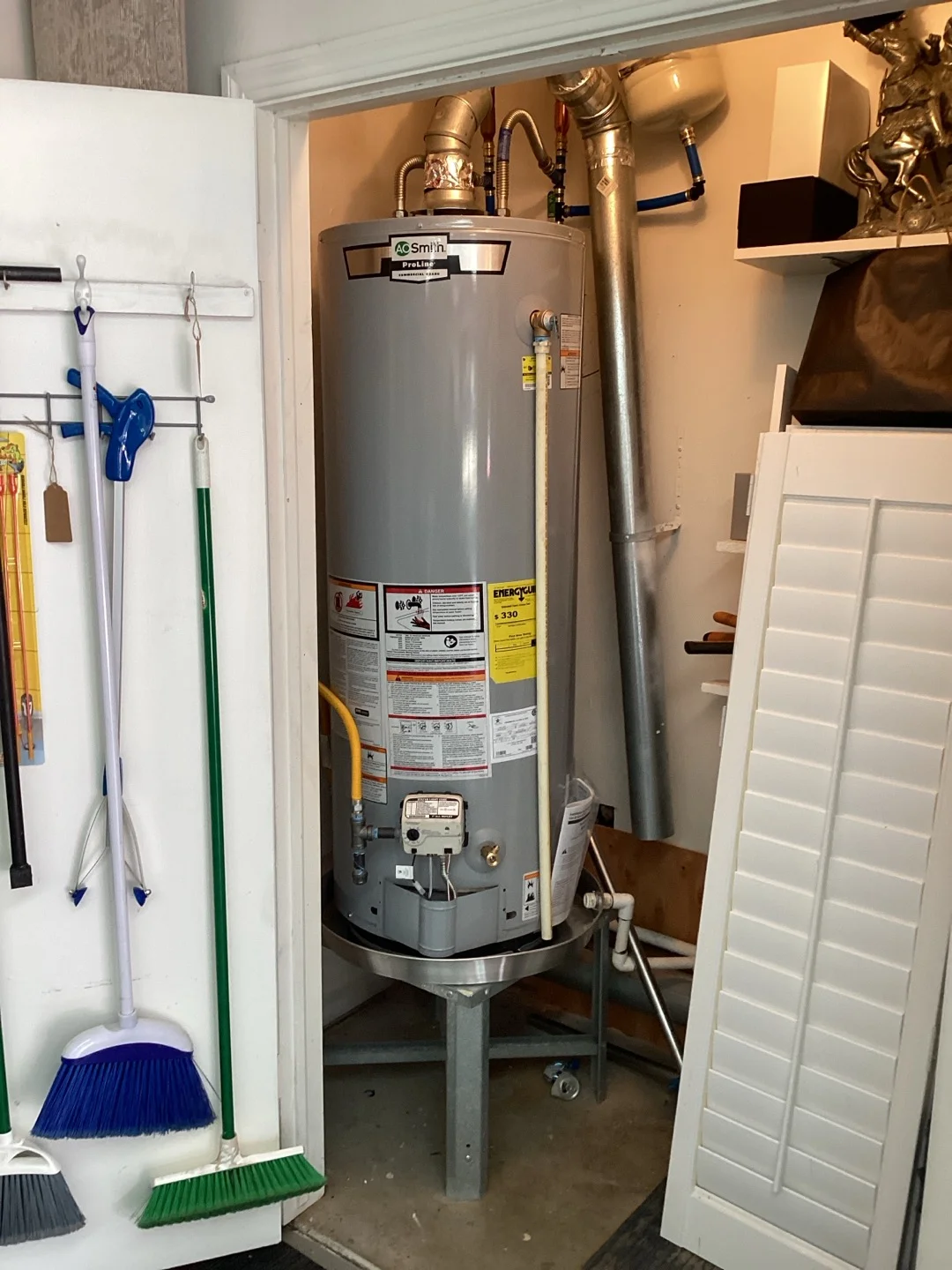
Water pooling beneath your water heater doesn't always mean the tank is ruined. The source could be a leaking drain valve, a plumbing connection, a temperature and pressure relief valve, condensation, or corrosion inside the tank. If your water heater is leaking from the bottom, address it promptly—but don't assume you need a replacement until the source is identified.
Start by checking for immediate hazards. If water is near electrical equipment, stay clear. If you smell gas, leave the building and contact your gas utility or emergency services from a safe location. Otherwise, you may be able to shut off the heater and water supply safely while arranging a plumber's assessment.
Key Takeaways
- A puddle beneath a water heater may originate above the tank or from a replaceable part, not the tank itself.
- Shut off power or gas and the water supply only when the controls are safely accessible. Never approach wet electrical equipment or operate controls if you suspect a gas leak.
- A leaking valve or fitting may be repairable. Water escaping through the tank itself typically means replacement.
- Repeated discharge from the temperature and pressure relief valve requires professional attention; never block the discharge pipe.
What Should You Do First if Your Water Heater Is Leaking?
Your first priority is safety, followed by limiting water damage. Don't touch the heater or attempt to locate a leak if the area is flooded, electrical equipment is wet, or you suspect a gas leak.
Shut Off Power or Gas Only if It Is Safe
For an electric water heater, turn off its dedicated circuit breaker if you can reach the electrical panel from a dry, safe location and identify the correct breaker. Do not touch wet switches, wiring, or equipment.
For a gas water heater, you may be able to turn the heater's gas control to its off position if it is dry, accessible, and there is no sign of a gas leak. If you smell gas or hear hissing that could indicate escaping gas, leave immediately. Do not use switches or attempt to operate the heater or gas valve; contact the gas utility or emergency services from outside.
Stop the Water Supply and Get Help
If accessible without crossing standing water, close the cold-water supply valve feeding the heater. If the leak continues or the valve cannot be operated safely, you may need to shut off the home's main water supply instead. Don't attempt to drain a hot tank or dismantle pressurized connections.
A rapidly spreading leak, water near electrical equipment, or ongoing discharge from a safety valve warrants prompt attention. Stanley Plumbing provides emergency plumbing services in the Oklahoma City area for problems such as failing water heaters. For immediate electrical or gas hazards, use the appropriate emergency response rather than approaching the equipment.
What Causes a Water Heater to Leak From the Bottom?
Water collecting under the heater doesn't necessarily originate at the bottom. It can travel down a pipe or the outside of the tank before reaching the floor. These are the most common possibilities with a traditional storage-tank water heater.
A Leaking Drain Valve
The drain valve near the base of a storage-tank heater is used during maintenance. A damaged valve, worn seal, or leak around its connection may cause water to drip directly beneath the unit.
If the area is safe and dry, look for moisture around the valve or signs that a drip is coming from its outlet. Avoid forcing the handle, tightening corroded parts, or attempting a repair while the system is hot or pressurized. A plumber can determine whether the valve should be replaced.
Temperature and Pressure Relief Valve Discharge
The temperature and pressure (T&P) relief valve is a safety device intended to release water when temperature or pressure becomes excessive. Its discharge pipe often runs down toward the floor, so water from that pipe may appear to be coming from the tank's bottom.
Discharge can be associated with excessive pressure, overheating, thermal expansion, or a valve problem. Even intermittent discharge deserves investigation. Never cap, plug, or restrict the discharge pipe, and don't assume replacing the valve alone will fix the underlying cause.
Leaking Water Connections Above the Tank
Water can run down the heater from a hot- or cold-water connection, nearby pipe, or fitting. Visible mineral deposits, rust streaks, or moisture near upper connections may help a professional trace the source.
These problems can sometimes be repaired without replacing the heater. However, if water is close to electrical components, do not continue inspecting the unit yourself.
Internal Tank Corrosion
Over time, corrosion can damage a storage tank and allow water to escape from its shell or seams. Rust-colored staining, recurring water beneath the unit, and no obvious leak from external fittings may raise suspicion, but they do not prove the tank itself is leaking.
Sediment can build up in storage-tank heaters and contribute to operating problems. It should not automatically be blamed for a tank leak; a plumber needs to identify the actual failure. When the inner storage tank has corroded through, replacement is generally necessary. Patching the exterior is not a reliable repair.
Condensation Instead of a Leak
Condensation can form on cool pipes or surfaces in humid conditions. Some gas storage heaters can also produce temporary condensation during heating, particularly when incoming water is very cold. That moisture may drip and resemble a leak.
If there are no hazards, note whether the moisture appears only briefly during heating or whether a puddle grows and returns. Persistent water should be evaluated rather than dismissed as condensation.
Have a tankless water heater? Leaks can also come from connections, internal components, or a condensate drain on certain models. Because those systems differ from storage-tank heaters, have a qualified plumber assess moisture coming from inside the unit.
Can a Water Heater Leaking From the Bottom Be Repaired?
The answer depends on where the water is escaping, not where it collects on the floor.
| Likely source | Possible outcome |
|---|---|
| Drain valve | A plumber may be able to replace the valve. |
| Supply pipe or fitting | A connection or pipe repair may solve the leak. |
| T&P relief-valve discharge | A plumber must identify the pressure, temperature, expansion, or valve issue before choosing a repair. |
| Condensation | The heater may not be leaking, but persistent moisture still needs evaluation. |
| Corroded inner tank | Water heater replacement is usually required. |
When Is Repair a Reasonable Option?
An otherwise serviceable heater with a faulty external valve or fitting may only need that component repaired. The technician should check for related problems, such as excessive water pressure or a relief valve that discharges repeatedly, so the same issue doesn't return.
When Is Replacement More Likely?
If the inner tank is leaking, a new water heater is typically the safe, practical solution. Age, condition, repair history, capacity, and installation requirements also affect the decision. Ask the plumber to confirm the source before approving replacement.
Stanley Plumbing offers water heater repair and replacement in Oklahoma City, including traditional tank and tankless systems. If replacement is recommended, you can also review its financing options for qualifying projects.
How Can You Reduce the Risk of Future Water Heater Leaks?
Maintenance cannot prevent every tank failure, but it can help you spot problems earlier and keep the system operating as intended.
Follow the Manufacturer's Maintenance Instructions
Storage-tank heaters may require periodic flushing and other maintenance based on the model and water conditions. Mineral buildup can be more significant in areas with hard water. Follow the manufacturer's instructions rather than relying on a universal flushing schedule.
Because draining a heater involves hot water and pressurized plumbing, have a plumber handle the work if you're unfamiliar with the procedure, the unit is heavily corroded, or a valve appears stuck.
Look for Early Warning Signs
Periodically check the visible area around the heater for moisture, rust-colored streaks, mineral deposits, or signs of repeated T&P valve discharge. Keep the surrounding area clear enough to spot a developing puddle. If pressure seems unusually high or the relief valve keeps discharging, ask a plumber to check the system rather than adjusting safety devices yourself.
Get Water Heater Repair Help in Oklahoma City From Stanley Plumbing
A puddle under your water heater may be caused by a repairable valve or connection—or it may signal a failing tank. The important first step is identifying the source safely so you don't overlook a hazard or replace equipment unnecessarily.
Stanley Plumbing Services helps homeowners across the Oklahoma City metro with water heater diagnosis, repair, and replacement. If your heater is leaking, explore its water heater services or contact Stanley Plumbing to request an assessment and discuss your next steps.
Frequently Asked Questions
Is a Water Heater Leaking From the Bottom Dangerous?
It can be. Water near electrical components creates a shock hazard, and a failing tank can release enough water to damage surrounding floors and walls. A continuously discharging relief valve may also point to an unsafe temperature or pressure condition. Keep clear of hazards and get professional help.
Should I Turn Off My Water Heater if It's Leaking?
If you can do so safely, turn off the heater and close its water supply while arranging service. For electric models, use the correct circuit breaker from a dry location. For gas models, only use accessible controls when there is no suspicion of a gas leak. If the area is unsafe, leave the equipment alone and seek help.
How Long Will a Water Heater Last Once It Starts Leaking?
There is no dependable timeline. A leaking external fitting may be repairable, while a corroded tank can fail further without warning. Have the source assessed promptly rather than continuing to operate a heater with an active leak.
Why Does My Water Heater Leak From the Bottom After a Shower?
Using hot water causes the heater to refill and heat incoming water. A leak or T&P valve discharge may become more noticeable during that cycle; temporary condensation may also appear under certain conditions. The timing alone doesn't identify the cause. Arrange an inspection if water keeps returning.
Need a plumber today?
Call the Stanley crew for honest pricing and dependable work across the Oklahoma City metro.
Keep reading
How Long Do Water Heaters Last? Signs It's Time to Replace Yours
Compare typical water heater lifespans, recognize seven warning signs, and learn when repair or replacement may make sense for your Oklahoma City home.
Reliable Plumbers in Oklahoma City, OK | Stanley Plumbing
Trusted OKC plumbers for repairs, emergencies, water heaters, sewer lines, remodels, and gas line work — fast local service across the Oklahoma City metro.
Have a plumbing question? Send it our way.
Real people, real answers — usually the same day.
Let's fix it before it gets worse.
Small leaks turn into big repairs fast. Talk to a Stanley technician today — upfront pricing, no pressure, and work backed by 145+ years of combined experience.