Water Heater Not Heating? Common Causes and Next Steps
Find out why a water heater stops producing hot water, what you can safely check, and when to call a plumber in the Oklahoma City area.
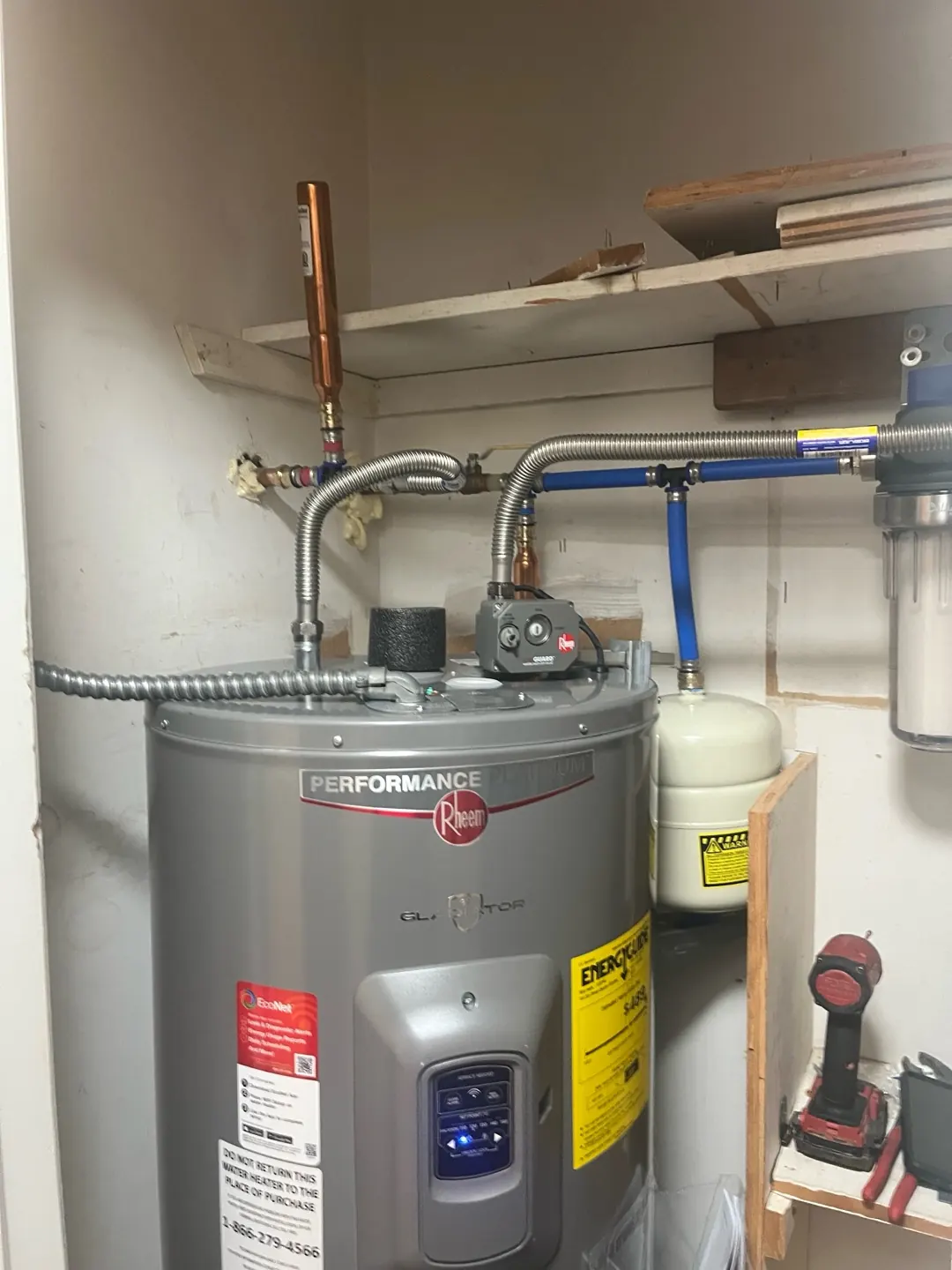
When your water heater stops producing hot water, the cause might be a tripped breaker, a failed heating element, an ignition problem, or a water heater that can no longer keep up with household demand. Start by checking whether every faucet is affected and whether you have no hot water at all or just less hot water than usual. Those clues can help a plumber find the problem faster.
You can safely observe symptoms and check accessible indicators, but don't open electrical compartments, work on gas components, or repeatedly reset equipment that keeps shutting down. Below are the common reasons a water heater stops heating, what you can check safely, and when to call for service in the Oklahoma City area.
Key Takeaways
- No hot water anywhere usually points toward the water heater or its energy supply; a problem at one faucet may involve that fixture instead.
- Electric heaters can stop heating because of an electrical supply issue, thermostat, or heating element.
- Gas and tankless heaters may have ignition, venting, supply, flow, or error-code issues that need professional diagnosis.
- Repeated breaker trips, gas odors, visible leaks, or recurring shutdowns are reasons to stop troubleshooting and seek help.
First, Figure Out What Kind of Hot Water Problem You Have
Before assuming the water heater has failed, pay attention to how the problem shows up.
| What you're noticing | What it might suggest | Sensible next step |
|---|---|---|
| No hot water at any faucet | Power, gas supply, ignition, thermostat, or heating-component problem | Check accessible indicators and arrange diagnosis if the cause isn't obvious |
| Water starts hot, then quickly turns cold | Depleted stored hot water, an undersized heater, or a failing component | Note how much hot water was used and whether the pattern repeats |
| Water is only lukewarm | Temperature control, heating component, mixing valve, or demand issue | Compare multiple faucets and describe the pattern to a plumber |
| Only one shower or faucet has a problem | Fixture cartridge, mixing valve, or local plumbing issue | Check other fixtures before blaming the heater |
| Hot water comes and goes | Intermittent heating, ignition, sensor, or flow issue | Record error codes and when the problem occurs |
If several people have recently showered, run laundry, or used hot water at once, a storage-tank heater may simply need time to recover. But if the problem is new, frequent, or unexplained, it deserves closer attention.
Safe checks you can make without opening the heater
Look for an error message or warning light, note unusual sounds, and check whether the heater or nearby pipes are visibly leaking. If your water heater has a display, photograph any error code. You can also check whether other gas appliances or electrical equipment are experiencing interruptions, without touching gas connections or internal heater parts.
Safety comes first: If you smell gas, leave the building without operating switches or appliances and contact your gas utility or emergency services from outside. If water is near wiring, outlets, or a breaker panel, keep clear. Don't operate controls you cannot reach safely.
Why an Electric Water Heater May Stop Heating
Electric storage-tank water heaters generally use thermostats and heating elements to warm the water. Problems with the power supply or those components can leave you with no hot water or an unusually small amount.
A tripped breaker or electrical supply problem
A tripped breaker can cut power to the unit. If the electrical panel is dry, accessible, and free of visible damage or burning smells, you may be able to check whether the labeled water-heater breaker has tripped. Follow the manufacturer's and electrician's guidance on whether a reset is appropriate.
Never repeatedly reset a breaker. If it trips again, leave it off and arrange professional help. A recurring trip can indicate a fault that needs an electrician or qualified service professional, not another reset.
A failed heating element
Many electric tank heaters use upper and lower heating elements. If one fails, the heater may produce a smaller supply of hot water or recover slowly. A failure affecting heating more broadly can leave the water cold.
A technician can test the elements and associated wiring with the power properly isolated. Diagnosing or replacing these parts involves electrical and scalding hazards, so this isn't a good DIY starting point.
A thermostat or high-temperature cutoff issue
A thermostat controls heating, while a high-temperature safety cutoff can interrupt operation if the equipment detects unsafe conditions. A failed thermostat, faulty control, or activated safety cutoff may stop the heater from heating.
Some reset controls are behind electrical access covers. Don't remove panels or bypass safety devices just to restore hot water. A technician should diagnose any cutoff that trips repeatedly; the underlying reason matters as much as restoring operation.
Why a Gas Water Heater May Not Be Heating
Gas-fired water heaters need a working gas supply, ignition system, and safety controls. Different models use standing pilots or electronic ignition, so the correct checks depend on the specific unit.
Pilot light or ignition trouble
On a model with a standing pilot, an extinguished flame may stop the burner from heating water. Newer models may show an ignition error instead. If your heater has an external viewing window or display, observe it without removing covers.
A pilot that repeatedly goes out may involve a flame-sensing component, control, or another burner-system problem. Follow the manufacturer's instructions only when conditions are safe; never attempt relighting when you smell gas. A persistent ignition problem needs a qualified professional.
Gas supply, control, or venting problems
Gas supply interruptions, a faulty gas control, and certain venting or combustion-safety issues can also prevent heating. These problems may trigger a shutdown or fault indicator rather than produce a constant loss of hot water.
Avoid adjusting gas valves, removing burner assemblies, or troubleshooting venting components yourself. Those systems affect both performance and household safety.
What If Your Tankless Water Heater Isn't Making Hot Water?
Tankless models heat water on demand. They don't store a full tank of hot water, and their troubleshooting is different from a standard storage heater.
Common reasons for poor or missing hot water include:
- Insufficient water flow: Some models need a minimum flow before heating starts.
- Power or ignition trouble: Gas tankless models also need electricity for controls and ignition.
- Mineral scale or restricted flow: Buildup can interfere with heat transfer and performance.
- A sensor or system fault: The heater may show an error code or shut down to protect itself.
- Demand beyond the unit's capacity: Multiple fixtures running at once can produce inadequate temperatures.
Record any displayed error code and the circumstances when it appears. Don't assume resetting the unit will solve a recurring problem. A plumber familiar with tankless equipment can identify whether cleaning, a part replacement, or another repair is appropriate.
Why You Might Have Warm Water, but Not Enough Hot Water
A heater that produces some hot water isn't necessarily working correctly. Distinguishing limited capacity from a malfunction can save time and avoid an unnecessary replacement.
Demand exceeds the heater's capacity
A tank-style water heater has a limited stored supply, and it needs time to reheat incoming water. If the heater has always struggled during back-to-back showers, the household's demand may exceed its capacity. Tankless equipment can also struggle when the simultaneous flow exceeds the unit's rated output.
A plumber can help determine whether operating conditions, fixture usage, or heater sizing explains the issue.
Sediment, scale, or aging components
Minerals can accumulate inside storage tanks and on heat-transfer surfaces. Sediment may contribute to rumbling noises, longer recovery times, or reduced efficiency. A failing heating element, thermostat, dip tube, or other component can cause similar symptoms, so sound or temperature alone isn't a reliable diagnosis.
Follow manufacturer-recommended maintenance rather than attempting to flush an aging or malfunctioning heater without knowing its condition. A professional can assess whether flushing, descaling, or a repair is appropriate.
A mixing valve or fixture problem
If one shower runs cool but kitchen and bathroom sinks get properly hot, the heater may not be the source of the problem. A fixture's pressure-balancing or thermostatic mixing valve can affect the delivered temperature. Whole-home mixing valves can also cause widespread lukewarm water when malfunctioning.
Mention which fixtures are affected when you schedule service; it's a useful diagnostic clue.
When to Repair Your Water Heater—and When to Consider Replacement
Not heating doesn't automatically mean you need a new water heater. Many power, heating-element, control, and ignition faults can be repaired. The right choice depends on the heater's age, condition, reliability, repair requirements, and whether the tank itself is sound.
| Repair may make sense when… | Replacement may be worth discussing when… |
|---|---|
| A technician identifies a replaceable component | The storage tank itself is leaking or badly corroded |
| The heater is otherwise in good condition | Failures are frequent or costly relative to a new unit |
| Its capacity still meets your household's needs | Hot-water demand has changed and the unit is consistently undersized |
| A targeted repair can restore reliable operation | The heater is older and has multiple signs of deterioration |
For more context on service life, see our article How Long Do Water Heaters Last? Signs It's Time to Replace Yours once it is published. A plumber can explain the repair and replacement options for your particular unit rather than making the decision based on age alone.
When to Stop Troubleshooting and Call a Plumber
Schedule professional help when you have no hot water after basic, safe observations; hot water cuts out repeatedly; the heater displays recurring error codes; or you notice abnormal noises alongside declining performance.
Get more urgent assistance if you find an active leak, repeated electrical trips, or signs of overheating. A gas odor is a reason to leave the building and call your gas utility or emergency services from outside, not to keep working on the heater. For an active plumbing situation, Stanley also has an emergency plumbing service page.
If water is collecting around your tank, our related guide, Water Heater Leaking From the Bottom? Causes and What to Do, addresses leak-specific warning signs in more detail. Avoid investigating moisture near live electrical equipment.
Get Water Heater Repair Help in Oklahoma City From Stanley Plumbing
Whether your water heater is completely cold, runs out of hot water too quickly, or shuts down unexpectedly, a professional diagnosis is the best way to determine what needs attention. Stanley Plumbing Services helps customers in Oklahoma City and surrounding communities with water heater service, repair, and replacement.
If you're dealing with unreliable hot water, contact Stanley Plumbing to discuss the symptoms and next steps. If replacement turns out to be appropriate, you can also ask about available financing options, subject to eligibility and terms.
Frequently Asked Questions
What should I check first if I have no hot water?
Check whether every faucet is affected and whether the heater shows an accessible error message or obvious supply interruption. Avoid touching gas connections or wet electrical equipment. If you can't identify a safe, simple explanation, arrange a professional diagnosis.
Why is my water heater producing only lukewarm water?
It might be struggling to keep up with demand, have a heating-element or thermostat problem, or be affected by a faulty mixing valve. Compare multiple fixtures and note whether the issue is constant or intermittent.
Can a water heater stop heating because of sediment buildup?
Sediment and scale can interfere with performance and heat transfer, but they aren't the only possible causes. A plumber can determine whether maintenance or a component repair is needed.
How do I know whether my water heater needs repair or replacement?
The heater's age, tank condition, capacity, and repair history all matter. A failed replaceable part may justify repair, while a leaking tank or repeated serious problems may make replacement more practical. Ask a plumber to assess the unit before choosing.
Need a plumber today?
Call the Stanley crew for honest pricing and dependable work across the Oklahoma City metro.
Keep reading
Tank vs. Tankless Water Heaters: Which Is Right for Your Home?
Compare tank and tankless water heaters on cost, space, hot-water demand, and installation needs to choose the right fit for your Oklahoma City home.
Water Heater Leaking From the Bottom? Causes and What to Do
Learn what can cause water to pool beneath a water heater, which leaks may be repairable, and how to respond safely before arranging professional help.
Have a plumbing question? Send it our way.
Real people, real answers — usually the same day.
Let's fix it before it gets worse.
Small leaks turn into big repairs fast. Talk to a Stanley technician today — upfront pricing, no pressure, and work backed by 145+ years of combined experience.